-
2025년 11월 모의_[ 고1 ]_21번[ 고1_11월 ]/[ 고1_10월 (2025) ] 모의고사 읽기 2025. 9. 30. 10:21
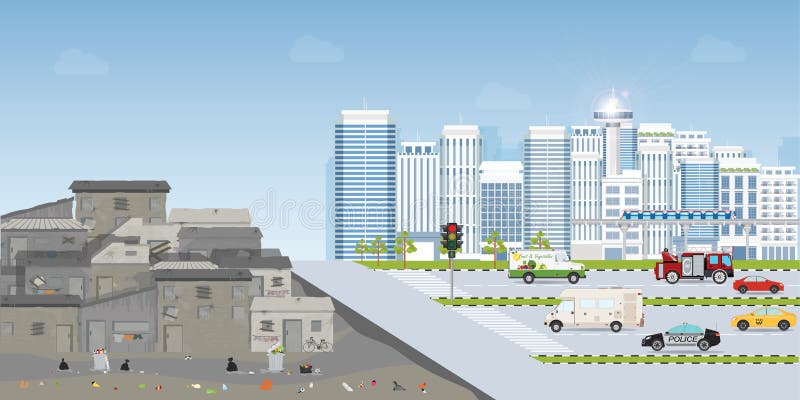
❶ Currently, urban regeneration projects in degraded areas have been promoted as improving the wellbeing of residents and solving environmental injustice problems.
❷ However, such environmental improvements in ethnic communities and/or low-income households can create an urban green space paradox.
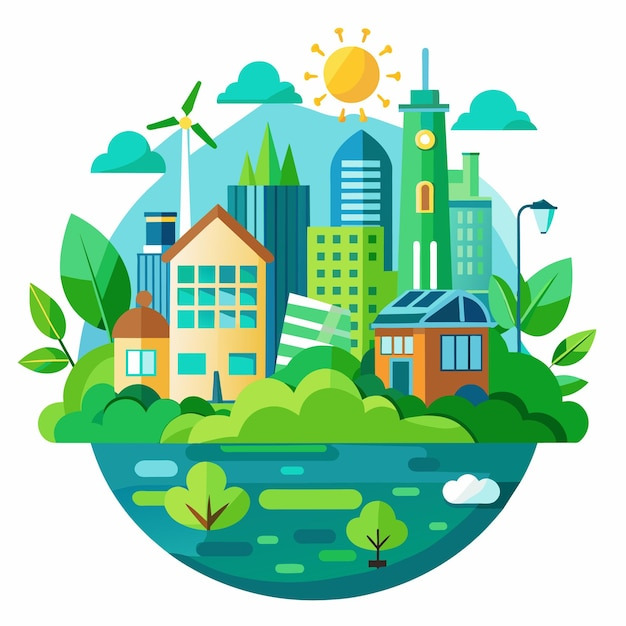
❸ The creation of new, high-quality green spaces can increase attractiveness, making these neighbourhood more desirable.
❹ By contrast, the cost of housing can rise, and residents may not be able to afford the rent.
❺ This results in the exclusion or displacement of the poor neighbourhood’s residents, who were intended to benefit from the ecosystem services provided by the new green space.
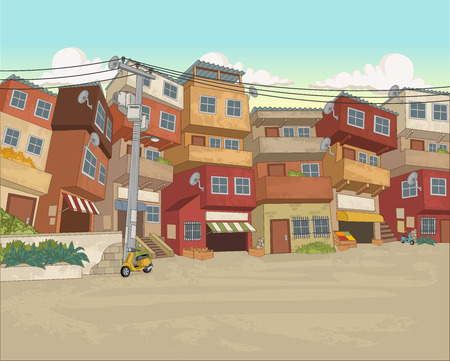
❻ In turn, the residents may only be able to afford to live in a similar degraded neighbourhood to the one they left, with low access to green infrastructure.
❶ [ 도시 재생 = 복지 향상·환경 정의 실현 의도 ] 현재, 낙후된 지역에서 도시 재생 프로젝트는 거주자들의 복지를 향상시키고 환경적 불평등 문제를 해결하는 것으로서 추진되어 왔다.
❷ [ 역설: 환경 개선 → 도시 녹지의 역설 발생 ] 하지만, 소수 민족 공동체들 및/또는 저소득층 가구에서 그러한 환경 개선은 도시 녹색 공간의 역설을 만들 수 있다.
❸ [ 결과①: 매력 증가 → 지역 가치 상승 ] 새로운 양질의 녹색 공간의 조성은 매력을 증가시킬 수 있어 이 지역을 더 탐나게 만든다.
❹ [ 결과②: 주거비 상승 → 원주민 부담 가중 ] 대조적으로, 주거비가 오를 수 있고, 거주자들은 임대료를 지불할 여유가 없을지도 모른다.
❺ [ 결과③: 혜택 대상의 배제·퇴거 발생 ] 이는 가난한 지역 거주자들의 배제 혹은 퇴거를 야기하는데, 그들은 새로운 녹색 공간에 의해 제공되는 생태계 서비스로부터 혜택을 얻도록 의도되어 있었다.
❻ [ 결과④: 다시 낙후 지역으로 이동 → 악순환 ] 결국, 그 거주자들은 녹색 사회 기반 시설 에 접근성이 낮은 채로, 그들이 떠났던 곳과 비슷한 낙후된 지역에나 거주할 형편이 될 수 있을지도 모른다.
❶ Currently, urban regeneration projects in degraded areas have been promoted as improving the wellbeing of residents and solving environmental injustice problems.
- currently – 현재
- urban regeneration projects – 도시 재생 프로젝트
- degraded areas – 낙후된 지역
- promote A as B – A를 B로서 추진하다
- improve the wellbeing of residents – 거주자들의 복지를 향상시키다
- solve environmental injustice problems – 환경적 불평등 문제를 해결하다
❷ However, such environmental improvements in ethnic communities and/or low-income households can create an urban green space paradox.
- however – 그러나
- environmental improvements – 환경 개선
- ethnic communities – 소수 민족 공동체
- low-income households – 저소득층 가구
- urban green space paradox – 도시 녹색 공간의 역설 (환경 개선이 오히려 취약 계층의 배제를 초래하는 현상)
❸ The creation of new, high-quality green spaces can increase attractiveness, making these neighbourhoods more desirable.
- creation of ~ – ~의 창출, 조성
- high-quality green spaces – 고품질의 녹색 공간
- increase attractiveness – 매력을 높이다
- make A B – A를 B로 만들다
- desirable – 바람직한, 탐나는
❹ By contrast, the cost of housing can rise, and residents may not be able to afford the rent.
- by contrast – 대조적으로
- cost of housing – 주거비
- rise – 오르다
- afford the rent – 임대료를 감당하다
❺ This results in the exclusion or displacement of the poor neighbourhood’s residents, who were intended to benefit from the ecosystem services provided by the new green space.
- result in ~ – ~을 초래하다
- exclusion / displacement – 배제 / 퇴거
- poor neighbourhood – 가난한 지역
- be intended to V – ~하도록 의도되다
- benefit from ~ – ~로부터 혜택을 받다
- ecosystem services – 생태계 서비스
❻ In turn, the residents may only be able to afford to live in a similar degraded neighbourhood to the one they left, with low access to green infrastructure.
- in turn – 결과적으로, 그에 따라
- be able to afford to live – 살 여력이 있다
- similar degraded neighbourhood – 비슷하게 낙후된 지역
- the one they left – 그들이 떠난 곳
- low access to green infrastructure – 녹색 사회 기반시설에 낮은 접근성
# 도시 재생의 역설:
# 환경 개선 → 지역 매력 상승 → 임대료 상승 → 원주민 퇴거 → 또다시 낙후 지역으로 이동→ 의도된 복지 향상이 오히려 불평등을 심화시키는 결과 초래 ( Urban Green Space Paradox )
'[ 고1_11월 ] > [ 고1_10월 (2025) ] 모의고사 읽기' 카테고리의 다른 글
2025년 11월 모의_[ 고1 ]_30번 (0) 2025.09.30 2025년 11월 모의_[ 고1 ]_29번 (0) 2025.09.30 2025년 11월 모의_[ 고1 ]_24번 (0) 2025.09.30 2025년 11월 모의_[ 고1 ]_23번 (0) 2025.09.30 2025년 11월 모의_[ 고1 ]_22번 (0) 2025.09.30