-
[ 고1 ]_11월 (2024)__[ 37번 ][ 고1_11월 ]/[고1_10월 (2024) ] 모의고사 읽기 2025. 11. 6. 22:22
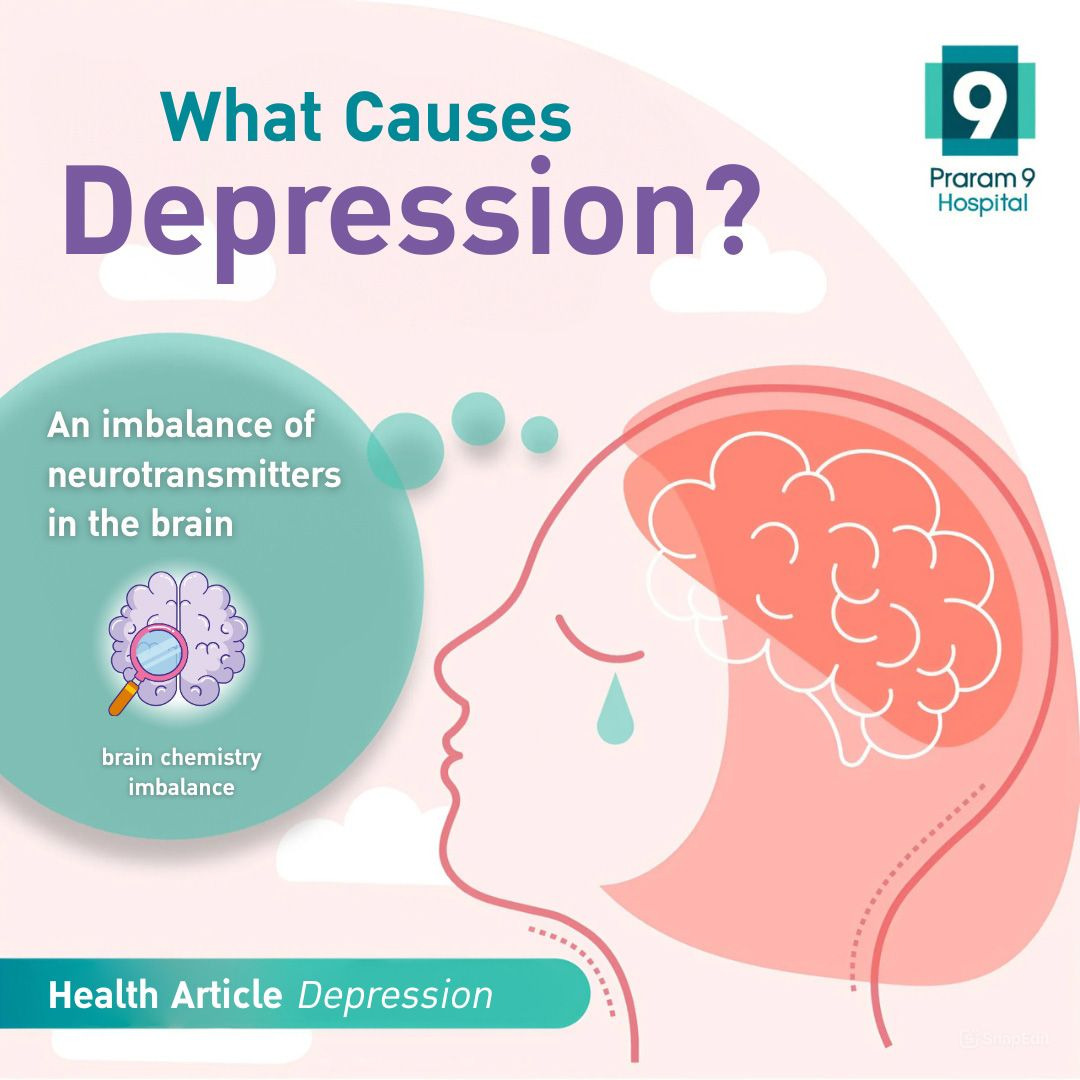
❶ Conventional medicine has long believed that depression is caused by an imbalance of neurotransmitters in the brain.
❷ However, there is a major problem with this explanation.
❸ This is because the imbalance of substances in the brain is a consequence of depression, not its cause.
❹ In other words, depression causes a decrease in brain substances such as serotonin and noradrenaline, not a decrease in brain substances causes depression.
❺ In this revised causeandeffect, the key is to reframe depression as a problem of consciousness.
❻ Our consciousness is a more fundamental entity that goes beyond the functioning of the brain.
❼ The brain is no more than an organ of consciousness.
❽ If it is not consciousness itself, then the root cause of depression is also a distortion of our state of consciousness: a consciousness that has lost its sense of self and the meaning of life.
❾ Such a disease of consciousness may manifest itself in the form of depression.
❶ [ 기존 의학: 우울증 = 뇌 화학 불균형설 ] 전통적인 의학은 우울증이 뇌의 신경 전달 물질의 불균형으로 인해 발생한다고 오랫동안 믿어 왔다.
❷ [ 문제 제기: 설명의 오류 존재 ] 그러나 이 설명에는 중대한 문제가 있다.❸ [ 실제 관계: 불균형은 ‘결과’, 원인은 아님 ] 이것은 왜냐하면 뇌 속 물질의 불균형은 우울증의 원인이 아니라 그것의 결과이기 때문이다.
❹ [ 인과 역전: 우울증 → 신경물질 감소 ] 다시 말해서, 우울증이 세로토닌이나 노르아드레날린과 같은 뇌의 물질의 감소를 유발하는 것이지 뇌의 물질의 감소가 우울증을 유발하는 것이 아니다.
❺ [ 새 관점: 우울증 = 의식의 문제로 재정의 ] 이 수정된 인과 관계에서, 핵심은 우울증을 의식의 문제로 재구성하는 것이다.
❻ [ 의식 = 뇌를 넘어선 근본적 실체 ] 우리의 의식은 뇌의 기능을 넘어서는 보다 근본적인 실체이다.
❼ [ 뇌 = 의식을 담는 도구일 뿐 ] 뇌는 의식의 기관에 지나지 않는다.
❽ [ 근본 원인: 의식의 왜곡 (자아·의미 상실) ] 만약 그것이 의식 그 자체가 아니라면, 우울증의 근본 원인 역시 우리의 의식 상태의 왜곡이며 즉, 자아감과 삶의 의미를 상실한 의식이다.
❾ [ 결과: 의식의 병 → 우울로 드러남 ] 그러한 의식의 질환이 우울증의 형태로 명백히 나타날 수 있다.
❶ Conventional medicine has long believed that depression is caused by an imbalance of neurotransmitters in the brain.
- conventional medicine — 전통 의학
- has long believed — 오랫동안 믿어 왔다
- be caused by ~ — ~에 의해 발생하다
- imbalance of neurotransmitters — 신경전달물질의 불균형
- in the brain — 뇌 속에서
❷ However, there is a major problem with this explanation.
- however — 그러나
- a major problem — 중대한 문제
- with this explanation — 이 설명에
❸ This is because the imbalance of substances in the brain is a consequence of depression, not its cause.
- this is because ~ — 이는 ~이기 때문이다
- imbalance of substances — 물질의 불균형
- a consequence of ~ — ~의 결과
- not its cause — 그것의 원인은 아니다
❹ In other words, depression causes a decrease in brain substances such as serotonin and noradrenaline, not a decrease in brain substances causes depression.
- in other words — 다시 말해서
- cause a decrease in ~ — ~의 감소를 유발하다
- brain substances — 뇌 속 물질들
- such as serotonin and noradrenaline — 세로토닌과 노르아드레날린과 같은
- not A causes B, but B causes A — 인과관계의 역전 구조
❺ In this revised cause-and-effect, the key is to reframe depression as a problem of consciousness.
- revised cause-and-effect — 수정된 인과관계
- the key is to V — 핵심은 ~하는 것이다
- reframe A as B — A를 B로 다시 구성하다
- problem of consciousness — 의식의 문제
❻ Our consciousness is a more fundamental entity that goes beyond the functioning of the brain.
- consciousness — 의식
- a more fundamental entity — 더 근본적인 실체
- go beyond ~ — ~을 넘어가다, 초월하다
- the functioning of the brain — 뇌의 기능
❼ The brain is no more than an organ of consciousness.
- no more than ~ — ~에 불과하다
- an organ of consciousness — 의식의 기관
❽ If it is not consciousness itself, then the root cause of depression is also a distortion of our state of consciousness: a consciousness that has lost its sense of self and the meaning of life.
- if it is not A itself — 그것이 A 그 자체가 아니라면
- root cause of ~ — ~의 근본 원인
- distortion of ~ — ~의 왜곡
- state of consciousness — 의식의 상태
- sense of self — 자아감
- meaning of life — 삶의 의미
❾ Such a disease of consciousness may manifest itself in the form of depression.
- such a disease of consciousness — 그러한 의식의 질환
- manifest itself in the form of ~ — ~의 형태로 나타나다
# 기존 관점: 뇌 화학적 불균형 → 우울증
# 새 관점: 의식의 왜곡 → 뇌 화학 변화 (결과) → 우울증# 요지: 우울증은 뇌의 병이 아니라 의식의 병, 즉 자아와 삶의 의미 상실에서 비롯된 현상
'[ 고1_11월 ] > [고1_10월 (2024) ] 모의고사 읽기' 카테고리의 다른 글
[ 고1 ]_11월 (2024)__[ 39번 ] (0) 2025.11.06 [ 고1 ]_11월 (2024)__[ 38번 ] (0) 2025.11.06 [ 고1 ]_11월 (2024)__[ 36번 ] (0) 2025.11.04 [ 고1 ]_11월 (2024)__[ 35번 ] (1) 2025.11.04 [ 고1 ]_11월 (2024)__[ 34번 ] (0) 2025.11.04